 Marvin Onumonu
Three-quarters (75%) of SMEs are worried that recent changes to statutory sick pay (SSP) will have unintended financial effects, according to a poll by the HR Dept.
Nearly half (46%) of employers said they were unprepared for the changes, which took effect from 6th April.
Workers are now able to claim SSP from their first day off sick, and the lower earnings limit for eligibility has been removed.
This means any worker off due to illness will receive some pay, no matter how much they earn.
Many SME employers believe these changes could encourage more sick days, reducing productivity and increasing costs, especially for businesses already operating with tight margins.
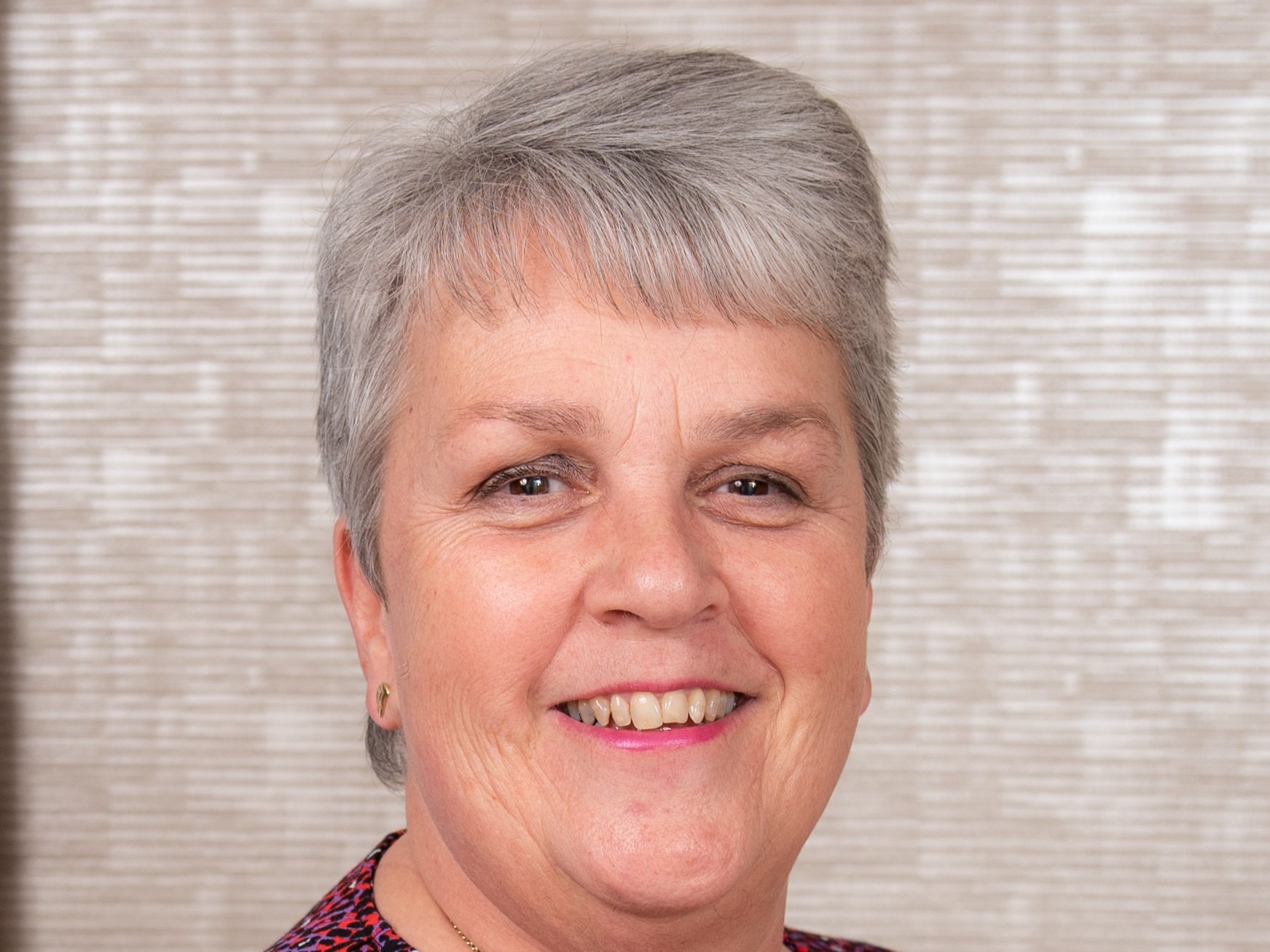
Michaela Gartside (pictured), director of HR Dept Bracknell, Windsor and Heathrow, said: “Many UK businesses have avoided adopting a proactive approach to absence and have instead been relying on the three-day SSP waiting period as their de facto absence management policy.
“But, for the 54% of businesses who are prepared versus the 46% who are not, the impact of the new rules will be marginal.
“That is because they have already invested in fair systems and robust HR practices, which naturally curb unnecessary sickness rates.”
Gartside added: “The real risk is not the legislation; it is the failure to manage people fairly and effectively.
“The hallmarks of a good sickness absence policy have not changed in April 2026 – they have simply become non-negotiable.”