
 Sheila Flavell
Recent research reveals that more than a third of 50 to 69 year olds feel at a disadvantage when applying for jobs due to their age.
Age bias in the workplace is more than unfair, it’s a missed opportunity. When organisations overlook experienced talent, they lose sight of the opportunity to build a diverse and resilient workforce that can lead to greater innovation and long-term growth.
Why the workplace still fails older workers
Despite growing awareness, ageism remains deeply embedded in workplace culture. Too often, older workers find themselves excluded from meaningful opportunities or undervalued despite the unique experience they bring.
Workplace practices that lean toward younger candidates can unintentionally exclude experienced professionals, often due to assumptions about cultural fit or digital literacy, even when their skills are exactly what’s needed.
The consequences of this exclusion can go beyond frustration as a recent report by the World Economic Forum (WHO), estimated that 6.3 million cases of depression globally can be attributed to ageism. For older workers, age discrimination can lead to isolation and a sharp decline in their overall well-being.
When experience is undervalued and ignored, individuals lose confidence, and organisations lose valuable knowledge and capability that’s hard to replace.
Multigenerational teams win
According to a recent global survey, 83% of executives reported that a multigenerational workforce was key to their organisation’s success and growth. Age diversity isn’t just a moral imperative, it’s a strategic advantage. Organisations that embrace it, benefit from a broader range of perspectives and greater creativity.
Older generations offer years of experience and institutional knowledge, which can be invaluable in mentoring and developing younger employees. Their deep understanding of industry dynamics helps navigate complex challenges and drives adaptability.
When organisations blend this depth of experience with the fresh ideas and digital fluency of younger colleagues, they unlock stronger collaboration and a level of innovation that drives a competitive edge.
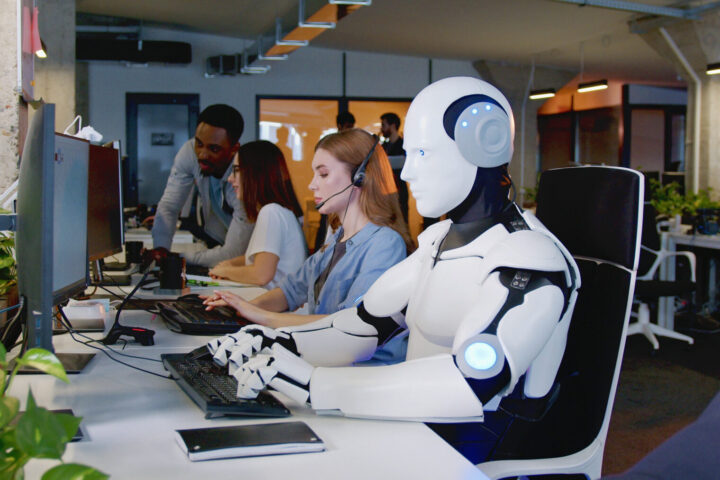
This innovation is especially important as AI-driven transformation reshapes every industry, demanding teams that combine digital agility with strategic experience to innovate and lead responsibly.
Skills don’t expire
Organisations need to upskill older workers through targeted training and inclusive development, not just to meet quotas but to build a workforce ready for the future. The narrative that older workers can’t adapt or learn new technologies such as artificial intelligence is outdated and untrue. Skills don’t expire, they evolve.
According to the Centre for Ageing Better, although almost a third of the UK’s workforce is over the age of 50, older workers are less likely to receive training than younger age groups. This lack of access to skills development reinforces stereotypes and prevents organisations from unlocking the full potential of their workforce.
The ageing workforce and widening skills gap are challenges that need immediate action. Yet with the right approach, they can also offer significant opportunity. Organisations that invest in retraining and upskilling across their workforce, will thrive in future.
As industries like technology continue to evolve rapidly, providing older workers with up-to-date training is critical, whether they are returning to work or transitioning into new careers.
To create truly inclusive workplaces, organisations must recognise that experience and innovation go hand in hand. When they value the insight and adaptability that older workers bring, they build stronger, more creative teams, ready to embrace the challenges and opportunities of the future.
Sheila Flavell CBE is COO at FDM Group