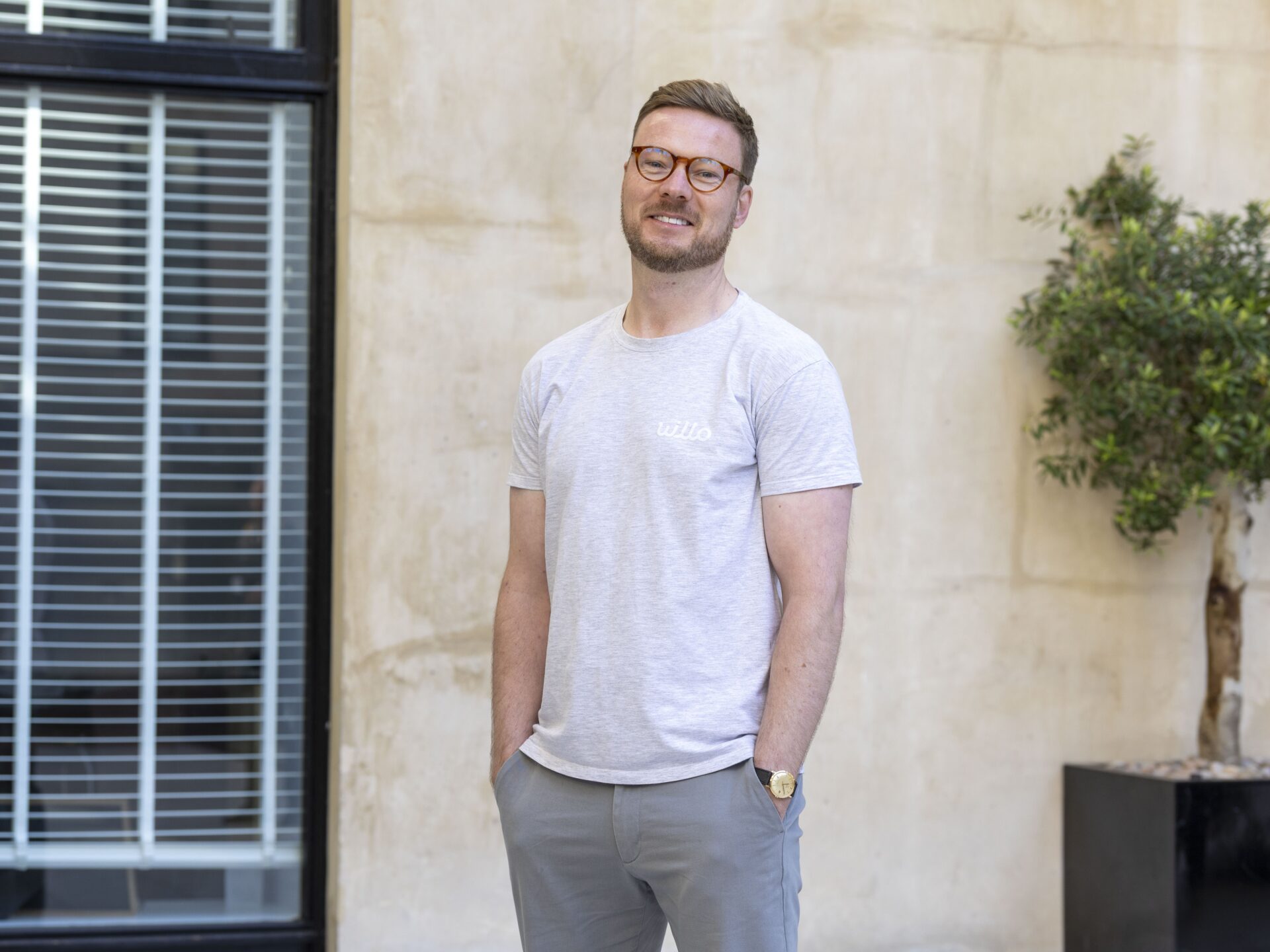
 Marvin Onumonu
The latest Hiring Trends Report from Willo found employers are moving away from relying on CVs, with only 37% rating credentials and learning history as reliable indicators of talent.
Four in 10 employers said they are actively moving away from CV-first hiring, and 10% have replaced CVs with skills-based and scenario-driven assessments.
Around 15% are looking at other alternatives.
Euan Cameron, CEO and co-founder at Willo, said: “The CV used to tell a story of effort, experience, and aptitude, now it often tells us how well someone can prompt a large language model.
“Great candidates are getting lost in a wall of near identical applications, and the best hiring teams are catching on to that.
“AI is not the end of hiring, what it does mean is the end of hiring based on summaries of experience alone.”
Cameron added: “Employers are looking for real signals of capability, which means moving beyond a single document into skills, scenarios and verified credentials.”
Around 77% of teams have seen artificial intelligence (AI)-generated or AI-assisted applications, with 47% updating interview techniques to probe deeper.
Almost a third have added practical steps to interviews, while 14% use AI detection tools.
Most respondents (65%) said they use more AI tools, mainly for managing high application volumes, summarising and early screening.
No respondents said automation should handle all hiring stages.
Final hiring decisions remain human-led for 79%, and 72% said salary negotiations need human involvement, though 28% thought AI could handle these decisions.
Luke Smith, talent acquisition and experience specialist at Toyota (GB), said: “Inclusive hiring and strong candidate experience now go hand-in-hand.
“When hiring is structured and early-stage tasks are streamlined with AI, ambiguity falls, fairness increases, and candidates face less friction, especially those changing careers or without traditional CV credentials.”
Nearly 70% of teams use structured interviews, and 73% are confident hiring is fair and inclusive, citing bias-awareness training and more diverse interview panels.
Around 42% use skills-based assessments, while 41% focus more on these and less on CVs.
Cameron added: “We’re seeing a much more confident attitude towards AI. Employers are clearer about where automation adds value and where human judgment must remain central.
“The best hiring teams realise it’s not humans versus AI, it’s humans deciding how to use AI well, and when we know what ‘good’ looks like, AI becomes a support system rather than a judge.
“Faster, fairer and more insightful hiring is possible, but only when technology is used to bring human potential into clearer focus.”