
 Marvin Onumonu
A lack of senior roles and limited training held women back from progressing at work, research from AllBright everywoman found.
It’s the Future of Work white paper that highlighted flexible working as key, with 89% of women reporting a better work–life balance, 61% saying they were more productive and 51% enjoying higher job satisfaction.
More than seven in 10 (71%) said flexible working had influenced their career growth mostly positively, with only 7% seeing a negative impact.
26% wanted to increase their salary, 22% aimed for promotion or seniority, 20% wanted to expand their skills and knowledge, 17% looked to build influence or recognition in their field and 12% wanted to start something new.
The report also found women were using new technology, especially artificial intelligence (AI), at work.
44% used AI daily, 31% weekly and 8% monthly.
They used AI to summarise documents and research (65%), write emails and reports (65%), brainstorm ideas (60%), improve communication (54%) and reduce admin (50%). Other uses included preparing for meetings (42%), strategic planning (34%) and dealing with people challenges (28%).
Outside work, 53% used AI for learning, personal growth or self-care, 38% for personal projects, 37% for household admin, 18% for financial planning and 10% for childcare.
78% said they were excited to learn more about AI and use it at work, 62% felt more efficient because of it and 67% were curious about its long-term impact.
More than half (53%) thought AI would soon take care of most routine tasks, allowing them to focus on more meaningful work.
84% said their AI skills came from self-learning, not employer training, though 39% worried about keeping up with tech changes.
Only 28% had been trained by their employer to use AI and felt equipped, while 55% did not feel ready.
61% said their employer provided no training for women.
Of those who did have training, 6% did not know how to access it.
47% said a lack of senior roles was the biggest barrier to their career progression.
35% pointed to limited development or training opportunities and 28% reported low support from managers.
Many said the lack of formal training and reliance on informal routes meant some women missed out on opportunities to build confidence and progress.
44% reported high stress and burnout, while the same number said their confidence was reduced. 31% reported toxic work environments.
Over time, limited progression, training and negative environments impacted confidence and wellbeing.
51% said there were not enough visible female role models in their organisation or industry.
Additionally, the report found that when women saw others ahead of them, it showed progression was possible.
A lack of role models made it harder to stay motivated or see a future in the organisation.
Of those whose employer did not offer flexible working, 39% were actively looking for another role, 13% were considering leaving and 9% were thinking of leaving without another job.
One in five women (20%) said they had taken time off work due to symptoms such as reduced concentration, increased stress, fatigue and lower confidence.
These symptoms affected how they were seen at work and what opportunities they felt able to take.
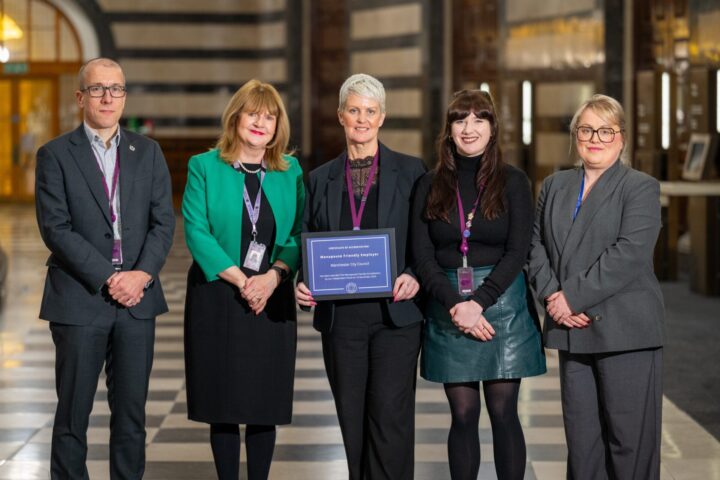
Only 37% said their workplace provided menopause support, 36% said menopause was taken seriously as a workplace issue and 17% had considered leaving due to severe symptoms.
Women said they wanted more support during menopause.
This included training for managers (65%), healthcare cover (59%), information resources (56%), confidential HR consultations (52%), greater flexibility (50%), paid leave for severe symptoms (45%) and peer support groups (37%).