
 Marvin Onumonu
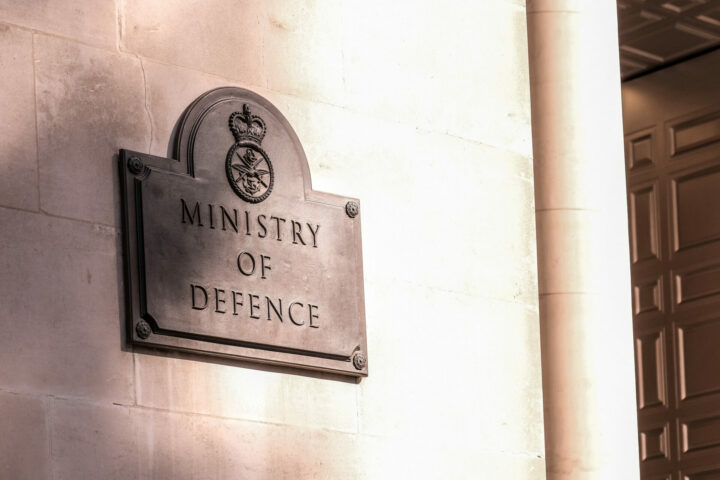
The Government has launched a consultation on new rules to stop employers using NDAs to cover up workplace harassment and discrimination.
The proposals form part of the Employment Rights Act and are expected to benefit over 18 million workers across the UK.
Research from the Young Women’s Trust found one in four young women would be reluctant to report sexual harassment at work for fear of losing their job.
Employment Rights Minister Kate Dearden said: “We are committed to ending a culture of silence and impunity and stand with all survivors of harassment and abuse in the workplace.
“These changes will ensure no one has to suffer in silence and give workers confidence that inappropriate behaviour will be dealt with.”
The consultation asks for views on what conditions an NDA must meet to be valid and who workers should be able to speak to about their experiences, regardless of what they have signed.
There are also plans to extend protections in future to agency workers and the self-employed.
The changes would also mean that witnesses cannot be pressured into agreements that stop them from calling out abuse or supporting victims.
The Government will also consult in the summer on whistleblowing laws to check the legal framework is working.
Reaction:
Zelda Perkins, co-founder of Can’t Buy My Silence:
“This consultation is a decisive moment in the fight to end the silencing of victims. The government has made a positive commitment to deliver but to make sure this legislation achieves its purpose, those who have suffered must speak up, loudly and clearly.
“By engaging with this consultation, victims can help ensure the legislation is strong, enforceable, and impossible to sidestep.
“This is the chance to create world-leading protections and finally stop the misuse of confidentiality agreements to hide wrongdoing.”
James Townsend, head of employment and partner at Payne Hicks Beach:
“If Parliament is serious about levelling the playing field, it should consider introducing a presumption of anonymity for both claimants and respondents (unless they choose to waive that right) when dealing with allegations of sexual harassment or racism in the workplace before an Employment Tribunal, rather than continuing the practice of publishing Judgments online.
“Such an approach would no doubt encourage claimants to come forward with greater confidence and end the naming of innocent parties.”