
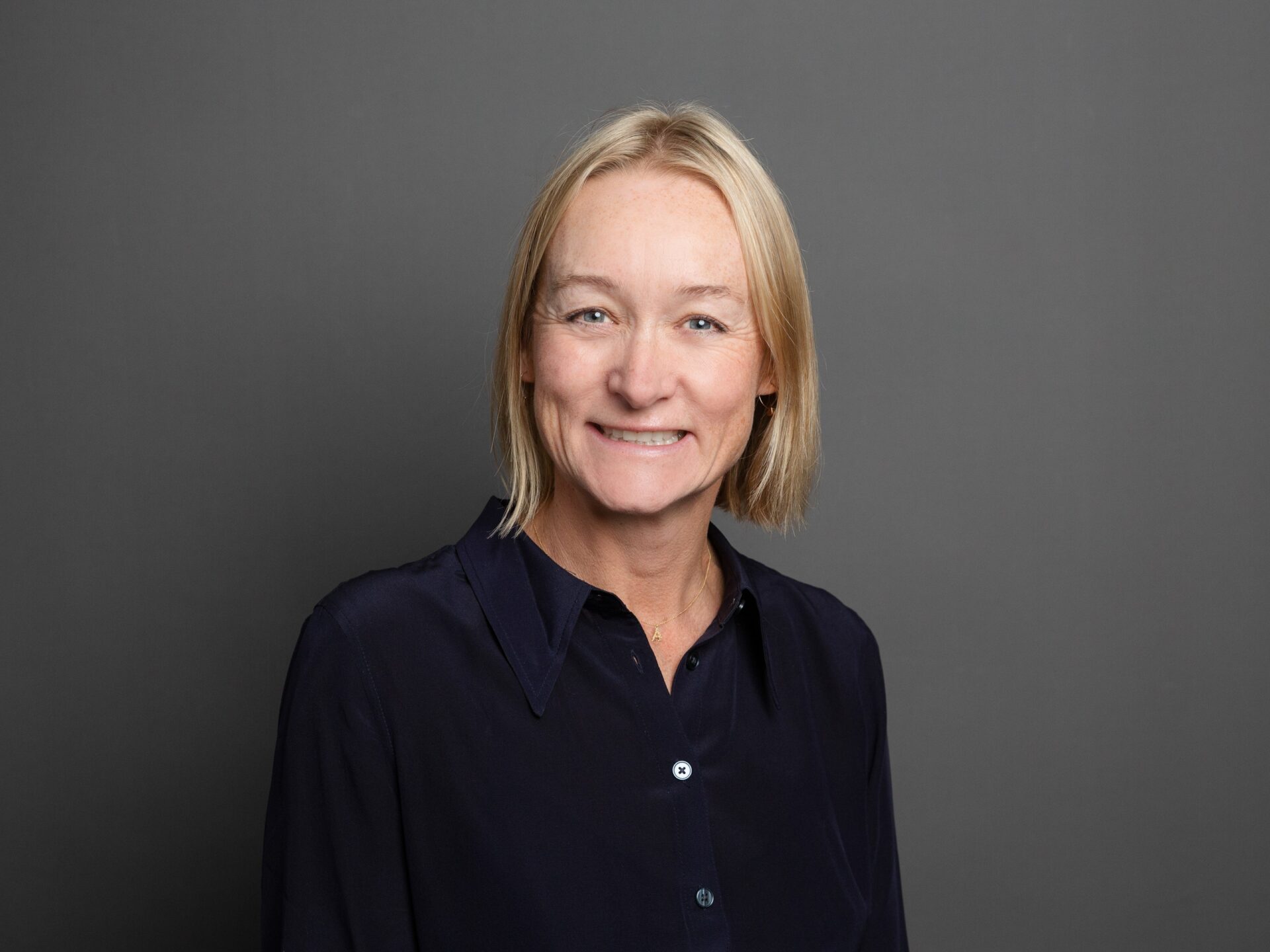
Workplace Journal speaks with Hannah Short, senior planning manager at City & Country, about her career and women’s roles in construction.
What inspired you to pursue a career in the construction industry?
Growing up one of my favourite TV programmes was Grand Designs – I’m quite a visual person and have always been interested in how ideas can be brought to life. So when it came to choosing a career path after my A Levels I heard about a developer based locally who ran a management trainee scheme – through this scheme, and a similar scheme at my next employer, I studied part-time for a degree in Construction Management whilst learning on the job, spending time working in various parts of the business.
I then worked as a technical co-ordinator for several years, before an opportunity arose to move across to planning 8 years ago, which allowed me to have more influence on the evolution of the developments I work on.
What attracted you to the planning side of construction, and what keeps you engaged in your work?
In the earlier part of my career I worked as a Technical Co-ordinator, but I moved across to planning as it gave me the opportunity to influence how new developments were designed – how they were going to look and feel. I was also attracted to the negotiation aspect – balancing the needs and goals of the business with those of planning officers and more widely, the local community. I’m quite competitive by nature and obtaining a planning approval gives me a real sense of achievement – it’s often a tough process so an approval feels like a win!
Can you share a memorable challenge you’ve faced in your planning role, and how you overcame it?
I was tasked with gaining approval for a significant number of additional dwellings on a site with an existing planning permission which didn’t make efficient use of the land. It was in an area which had already taken a lot of development, so the community was very against any more. Added to that, the Green Party had just taken control of the Local Planning Authority. Being a planning manager for a developer is often about trying to find the ‘hooks’ that will work in your favour – the nuances in the local situation to help tailor what you’re offering, whilst always being mindful that the scheme must remain viable.
Through talking to planning officers and local stakeholders, and doing my background research on the Green Party Councillors, I devised a scheme which offered tangible benefits such as affordable housing, enhanced sustainability measures, and contributions towards local highways improvements which lead to the planning committee approving the scheme, even when they didn’t ‘need’ the additional housing, in the context of the district’s housing supply. The Planning Committee recognised that in return for the increased dwellings numbers we were giving something back – that felt like a huge achievement.
What have been the biggest challenges you’ve faced as a woman in construction, and how did you overcome them?
I don’t feel I’ve been met with any significant challenges due to being a woman. I can honestly say I’ve never encountered any prejudice, from those on site through to upper-level management. There’s been times that I’ve been the only female in all-male teams, but I’ve been embraced as one of ‘the lads’! There’s often a great sense of camaraderie in the industry and I still count many of those I’ve worked with along the way as friends.
How have you seen the industry change for women since you started your career?
I’d say that in my area of the industry – land and planning, there has been a relatively equal mix of male and female for quite a while. I do think there are more women now in operational roles, such as commercial, technical and site management, whereas traditionally they would have been seen as more male roles.
What advice would you give to young women considering a role in construction today?
Go for it! There is such a range of roles available to suit different interests, skills and characters – design, planning, finance, project management, sales and many more. The nature of the industry means you’re often not confined to sitting at a desk every day. Each project has a unique set of challenges which makes for great variety, and its rewarding seeing projects come to life, in my case as new homes and communities.
How do you think the industry can continue to attract and support more women in the future?
I think it’s important that the industry engages really early with girls when they’re at school to make them aware of the career paths available. I was only aware when I was young through family friends who were in the industry, and when I went back to my old school (an all-girls school) last year to participate in a careers day, what I was talking to them about seemed to be a novelty for both pupils and teachers – that needs to change if we are to attract young people (not just girls) into the industry.
Related

INTERVIEW: Inclusive leadership is shaping construction’s future

INTERVIEW: Building multigenerational careers for the future

INTERVIEW: Harnessing talent intelligence to tackle youth unemployment and shape workforce strategy
Leadership blind spots in spotting microaggressions

INTERVIEW: How apprenticeships are becoming the quickest route to AI-skilled talent

Using AI to evolve people processes without compromising culture
INTERVIEW: Improving retirement outcomes as workplace pensions evolve
Small gestures can create big change in the workplace

Embedding meaningful work at scale

Why employees suffer in silence with their mental health
First national standard for women’s safety on construction sites launched
