 Marvin Onumonu
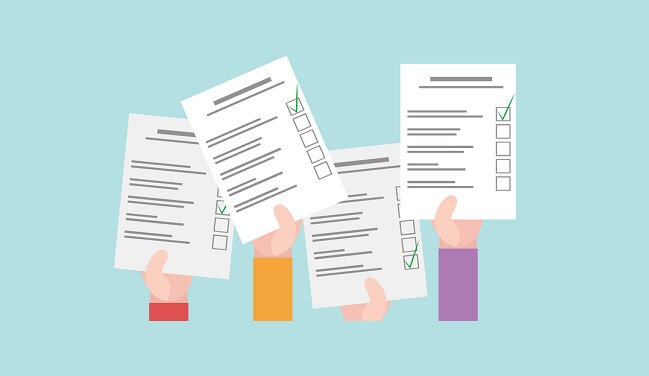
Ciphr and ProAge have launched a survey looking at how employers manage teams with workers from different age groups.
The survey will focus on challenges and opportunities in UK workplaces with mixed-aged teams.
It aims to help organisations understand these differences and make sure policies work for everyone.
Results will be published and shared with HR and business professionals, with findings to shape future training programmes.
The survey is open to people professionals, business leaders and senior managers.
It takes around eight minutes to complete and will close on 10th March.
Ann Allcock, head of diversity at Ciphr eLearning, said: “We’re delighted to collaborate with ProAge on this landmark multigenerational working survey.
“We know that age can be the ‘poor relation’ in the equality hierarchy, but also that there’s growing interest among employers about this topic and how to most effectively promote and support age-inclusive workplaces.
“There is still a lot to learn, and our survey will uncover challenges, identify organisational priorities, and capture ‘what works’.”
Allcock added: “We want to widen the conversation from the harm of age discrimination to a positive dialogue about the benefits of multigenerational workplaces.
“Our findings will inform policy, practice and the design of practical tools and training for employers.
“Wherever your organisation is in this space, we encourage you to participate in this research and share your experiences and perspectives on the realities of multigenerational working.”
Mike Mansfield, CEO at ProAge, said: “At work, each of us brings habits shaped by the era we first entered the workplace – whether that’s a preference for online versus in-person meetings, wearing headphones in the office, or how we like to receive feedback.
“These differences aren’t wrong; they’re simply different. But they can influence how we collaborate and include others in our teams.
“With four generations now working together, evidence shows that multigenerational teams perform better.”
Mansfield added: “This survey will help us understand how well organisations are supporting these teams and how we can help employers create more opportunities for meaningful intergenerational collaboration.”