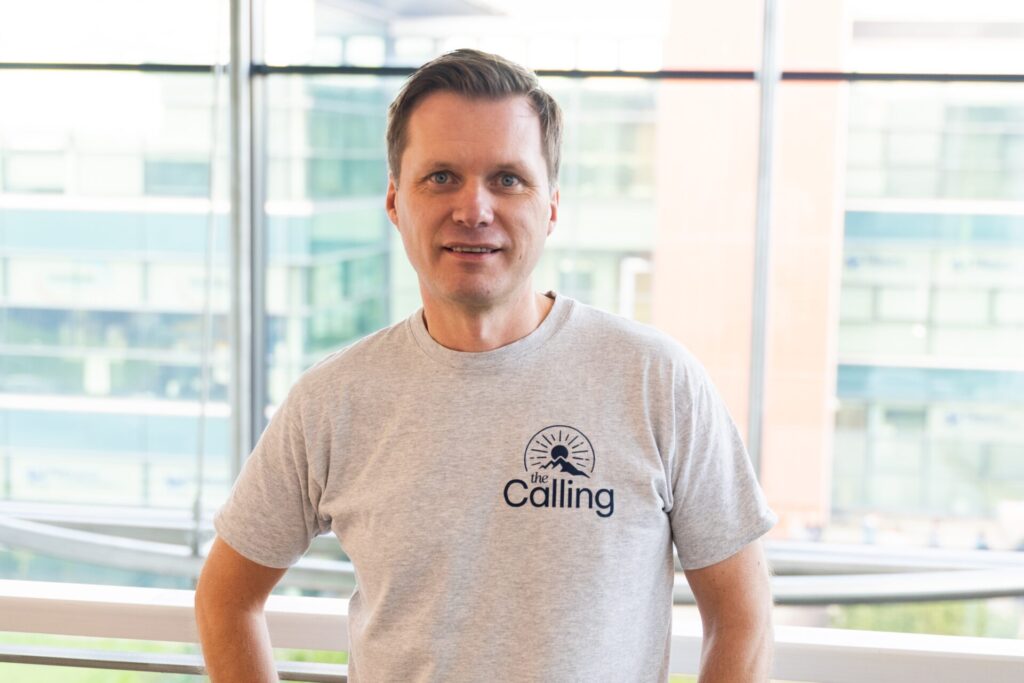

 Rebecca Egerton
As the new year begins, you’re likely to start to see more references to ‘Blue Monday’ and what it signifies in the depths of January.
Traditionally labelled as ‘the most depressing day of the year’, the third Monday in January is often associated with a low mood, broken resolutions and the long stretch ahead before spring.
What is less widely understood however is ‘Blue Monday’ comes with no scientific basis at all. In 2005, this marketing gimmick was created to encourage holiday bookings and a way to beat the January ‘blues’. It has persisted beyond its initial creation, and now comes with a degree of pseudo-science attached.
However, what we should all be acutely aware of is that mental health awareness should not be reduced to a single day, nor can it be solved with a quick fix. Mental health activity and provision should be an important issue all year around, not just on the 19th January.
Despite this, the conversations that ‘Blue Monday’ can prompt can still be useful ones, particularly at this point in the year. January can be a difficult period for many people. After time away from work, returning to a demanding environment, with new targets and facing a long year ahead can increase stress and anxiety, especially within the financial services market.
Mental health should not be confined to one day
One of the most unhelpful aspects of the ‘Blue Monday’ narrative however is the suggestion mental health challenges are temporary or predictable. For those experiencing anxiety, depression or burnout, the hardest day of the year is simply the day they feel most unwell, and that can happen at any time.
This is particularly relevant in our industry, known for its pace, pressure and emotional demands. Advisers, for example, juggle regulatory responsibility, commercial targets and complex client needs, often while dealing with a whole raft of personal circumstances. These pressures do not disappear once January, or indeed ‘Blue Monday’ is over.
For firms, this should reinforce an important point. Mental health and vulnerability support must be embedded throughout the year, not treated as a seasonal initiative or limited to awareness days.
A strong mental health and vulnerability program is no longer a ‘nice to have’. It can play a crucial role in employee retention, performance, culture and ultimately customer outcomes. Those who feel supported are more confident, more resilient and better equipped to support clients, particularly those in vulnerable circumstances themselves.
From awareness to practical action
Within financial services, vulnerability can affect both advisers and customers at any time. It’s why firms should focus on putting practical, day-to-day support in place rather than relying on ad hoc interventions.
At TRM for instance we’ve focused on something more tangible and regular, including the development of trained individuals within the business who feel confident supporting people when mental health concerns arise.
Having staff trained as mental health first aiders means colleagues have access to someone who can listen, provide initial support and help guide them towards appropriate professional services. Just as importantly, it gives those staff members the confidence to handle sensitive conversations in the right way.
Building practical, shared support that works
Support is also more effective when responsibility is shared rather than sitting with one team or function. Establishing a network of Vulnerability Champions drawn from different departments and levels of seniority has helped us create multiple, visible points of contact across the business.
This approach is reinforced through access to clear guidance and resources. A dedicated vulnerability hub on our adviser platform, for example, provides practical information to help advisers recognise, record and support vulnerability, alongside signposting to a wide range of external support services. Having this information easily accessible removes barriers at the point support is needed.
When advisers – or indeed anyone in the workplace – is properly supported, they are better placed to carry out their work, whether that is supporting clients leading to stronger and more sustainable outcomes, or other members of staff being encouraged to share any issues they might be having.
For advisory firms reviewing your approach to wellbeing and vulnerability, focusing on practical structures, shared responsibility and accessible support is a strong place to start, and will go a long way to ensuring that this is front and centre throughout the year, at any given time and place, rather than being a token attempt during those darker January days.
Rebecca Egerton is supervision and development manager/vulnerability champion and mental health first aider at The Right Mortgage & Protection Network