
 Jessica O'Connor
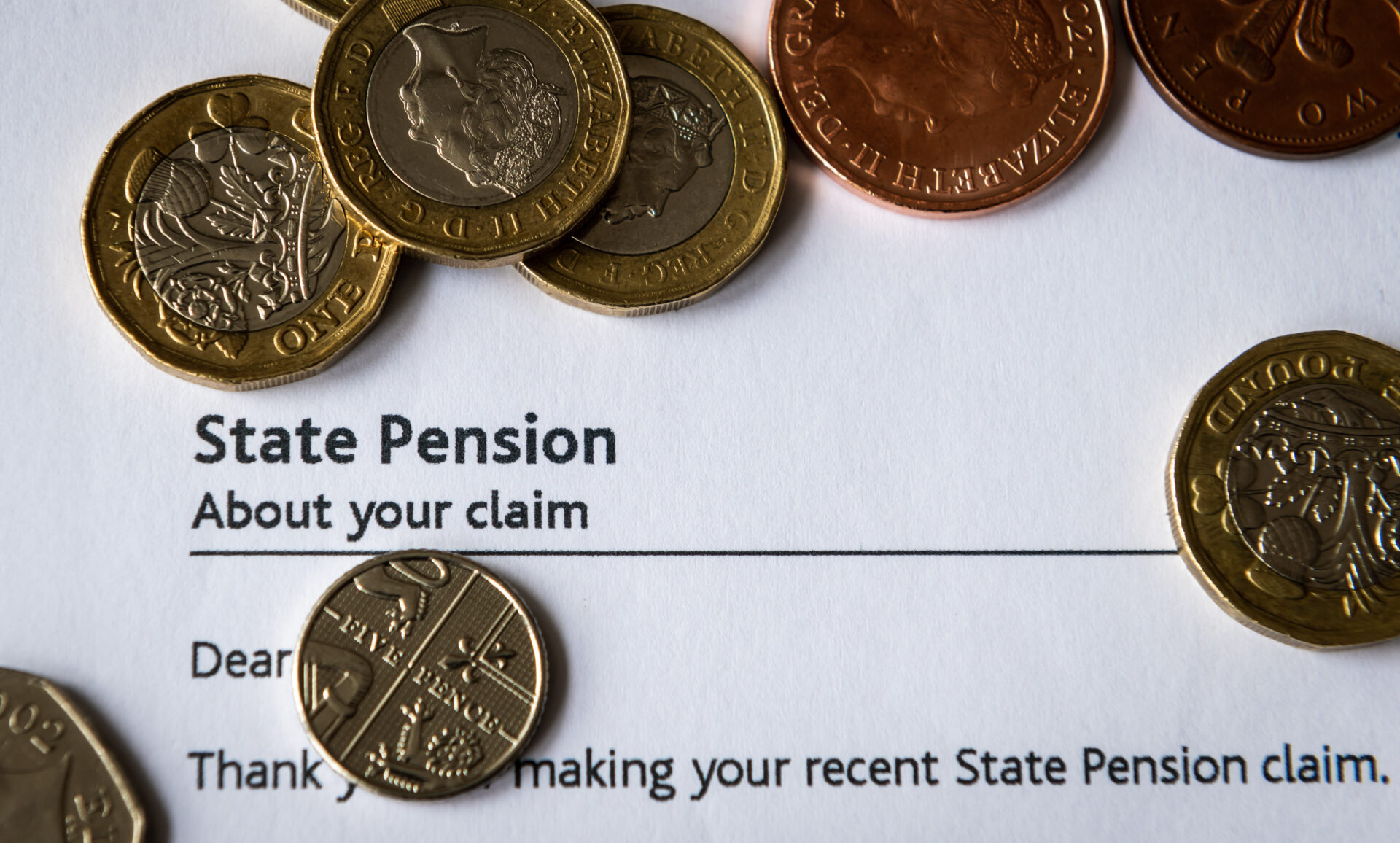
Almost 42,000 people claimed a previously deferred State Pension in 2023/24, opting for higher weekly payments by postponing when they first took their pension, according to figures obtained by Royal London.
Data released following a Freedom of Information (FOI) request revealed that 41,938 people claimed a delayed State Pension during the year.
While this remains a significant number, it represents a sharp fall of 22% compared with 2022/23, when 54,037 people made deferred claims.
Under current rules, individuals who delay claiming their State Pension receive an increase of 1% for every nine weeks they defer, equivalent to an uplift of 5.8% for each year of delay.
The State Pension age is currently 66 and is due to rise to 67 from April.
The figures revealed that deferral periods vary widely.
Around one in four of those claiming a deferred pension in 2023/24 – 10,656 people – had postponed claiming for five years or more.
A further 4,435 delayed their claim by at least 10 years.
On average, pensions were deferred for four years, which can result in up to £50 extra a week once payments begin.
The data also highlighted a small number of extreme cases.
There were 591 people who had not claimed their State Pension despite being eligible for 20 years or more.
The 25 longest deferrals averaged 32 years, with some individuals first eligible as far back as 1991/92, when the State Pension age was 65 for men and 60 for women.
Many of these individuals would now be in their 90s, with some potentially aged over 100.
People typically delay claiming their State Pension either to increase their future income or to reduce their current taxable income.
Deferral can be particularly attractive for higher-rate taxpayers, as postponing payments may reduce income tax liabilities in the short term.
However, delaying a claim does not guarantee better overall value.
While weekly payments increase, individuals forgo pension income during the deferral period and may not live long enough to recoup what they missed, particularly if they are basic rate taxpayers.
Sarah Pennells, consumer finance specialist at Royal London, said: “With the State Pension age now at 66 and due to start rising to 67 from April, many people are only too keen to claim their State Pension.
“However, our figures show that some people, for whatever reason, are delaying getting their State Pension payments.
“The numbers deferring in 2023/24 have fallen quite dramatically from the previous year, which could be because fewer pensioners are able to manage without the State Pension.”
She added: “However, with the new State Pension expected to rise to just below the personal allowance from April, we could see an increase in the numbers of people with other forms of income deferring, as they look to reduce the income tax they pay.
“If you’re thinking of delaying claiming your State Pension, then it’s a good idea to assess whether it is right for you. Getting the extra money may look attractive, but you are giving up the right to receive any State Pension payments until you stop deferring, and it could take years to see the benefit. The less tax you pay, the less worthwhile delaying might be.
“If someone defers their pension and then dies, their surviving spouse or civil partner will only receive the extra pension if the person who deferred reached State Pension age before 6 April 2016. These figures highlight why it’s so important to think carefully before making this decision.”