
 Marvin Onumonu
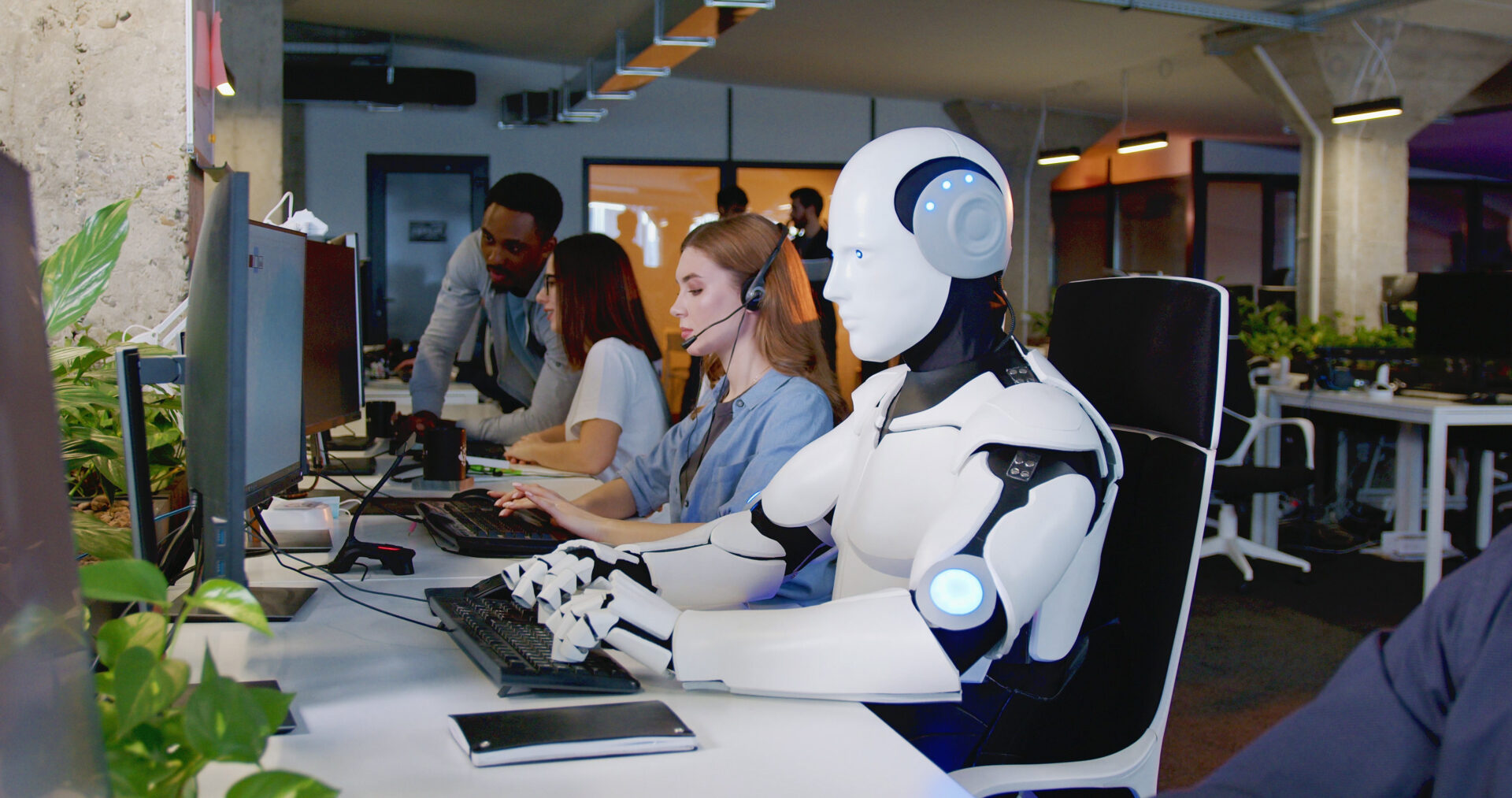
Britain’s youngest office workers have been relying on artificial intelligence (AI) to help them get jobs and stay afloat at work, research carried out by Kahoot! found.
The survey, which included 2,000 recent graduates aged 21 to 25, showed more than half (51%) admitted to exaggerating their skills on CVs or LinkedIn profiles.
Areas most likely to be embellished were work experience (53%), technical skills (46%) and hobbies or side projects (43%).
65% had used AI tools like ChatGPT to write cover letters or job applications.
Nearly six in 10 (59%) said they turned to AI to complete everyday tasks because they felt undertrained or lacked the right skills.
One in five (21%) said their employer did not offer any training at all, and over half (56%) said access to professional development would make them more loyal to their employer.
Despite using AI to help them, over half (54%) said they feared AI could threaten their job security, with 18% believing it could make their role obsolete.
Job security was a top priority for 28% of those asked.
Most young workers thought AI gave them an advantage over older colleagues, with 82% seeing it as an edge and 30% saying it was a “big advantage”.
Only 5% considered it a disadvantage.
Healthy work-life balance was the main factor for job satisfaction (44%), followed by pay and benefits (33%), flexible working (31%) and learning opportunities (29%).
Flexibility was picked as the most important workplace value by a third (33%), ahead of diversity and inclusion (22%), social impact (16%) and creativity (28%).
Hybrid working was the most popular set-up, with 45% preferring a mix of home and office.
One in five (20%) wanted fully office-based jobs, 17% would prefer a four-day week, 10% backed fully remote roles and 7% wanted to choose their own hours.
Women were more likely to favour hybrid working (48% women vs 42% men), while men preferred to be in the office (24% men vs 16% women).
When asked about training, 43% said it needed to be more engaging, 37% wanted real-life application and 35% wanted clearer structure.
Preferences for learning styles were split, with 42% wanting a mix of group and solo, 35% preferring group, and 21% solo learning.
Jon Neale, growth director, UK and Ireland at Kahoot! said: “Young people aren’t turning to AI out of laziness; they’re turning to it out of uncertainty.
“Many are entering workplaces without the structure, mentorship or direction they need to build confidence, so AI becomes a practical shortcut to present themselves as sufficiently competent whilst they build confidence on the job.
“Employers who want to fulfil their potential need to provide clearer guidance, better training, and genuine support, rather than leaving AI to fill the gaps.”
Neale added: “This reliance on AI is a short-term fix for a much deeper, widespread issue.”