
 Ryan Fowler
Women founders and co-founders across Europe continue to face structural challenges in securing venture capital funding, with the gap particularly pronounced in Central and Eastern Europe, according to new market data and investor analysis.
Recent figures show women hold just 29% of senior leadership positions, underlining persistent barriers across industries. In venture capital, these barriers are reflected in funding outcomes, with female-led businesses receiving a smaller share of total investment deals compared with previous years.
PitchBook data shows that since 2008, women-founded startups in Europe have raised €8.8bn across 5,933 deals, based on company headquarters. However, in countries including Serbia, Latvia, Croatia, Slovenia and Ukraine, publicly announced venture investments into companies led by women remain rare. Even when including businesses with at least one female co-founder, Central and Eastern Europe continues to trail Western and Scandinavian markets.
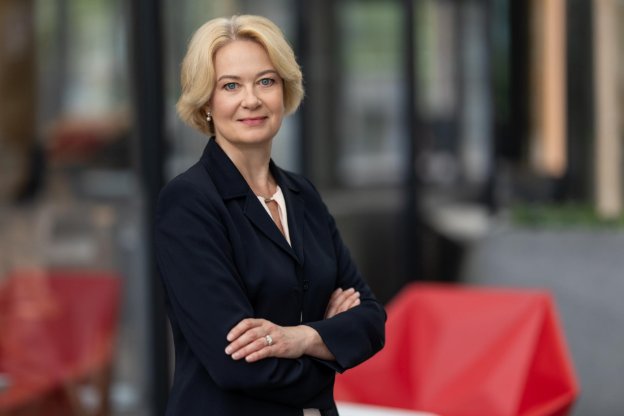
According to Daiva Rakauskaitė, partner and fund manager at Aneli Capital, the region’s funding gap is driven by both market structure and cultural factors. She said: “VC is still a relationship-driven industry dominated by men, which means deals often stay within the male networks. In the CEE region, some investors are more conservative, and there are fewer women founders, which limits the opportunities for investors to support them.”
Rakauskaitė added that encouraging women to enter sectors traditionally targeted by venture capital could help unlock further growth. She said: “I believe women should boldly enter sectors traditionally targeted by VCs. If we also apply research showing that diverse teams generate more value, VCs could unlock the potential to create even more unicorns than before.”
The commercial case for diversity is supported by multiple studies. Research from Harvard Business School, cited by the Milken Institute, found that VC firms with a 10% increase in female investment professionals delivered more successful portfolio investments and achieved 9.7% more profitable exits. Separately, Grant Thornton research has linked diversity strategies to improved innovation and cultural outcomes.
Beyond venture capital, leadership representation remains an issue across industries. McKinsey’s latest report shows that women remain underrepresented at senior levels for the 11th consecutive year. The research also highlights early-career disparities, with fewer women encouraged to use emerging technologies such as AI, a factor which may widen progression gaps over time.
Rakauskaitė said responsibility ultimately lies with leadership. She said: “Founders of startups must focus on delivering results and demonstrating that all genders matter equally when it comes to shaping the future of the industry. Gender should not be a limiting factor in talent recognition; what matters most is the strength of the team, their vision, and their ability to execute.”
She added that long-term change depends on management behaviour across all sectors. She said: “Managers have a critical responsibility to support their teams’ growth in any field – be it venture capital, investing, or business. As we look to 2026, it is crucial that we not only continue to challenge the status quo but actively foster environments where all talents, regardless of gender, are equally recognized and nurtured. This, in turn, creates added value.”