 Marvin Onumonu
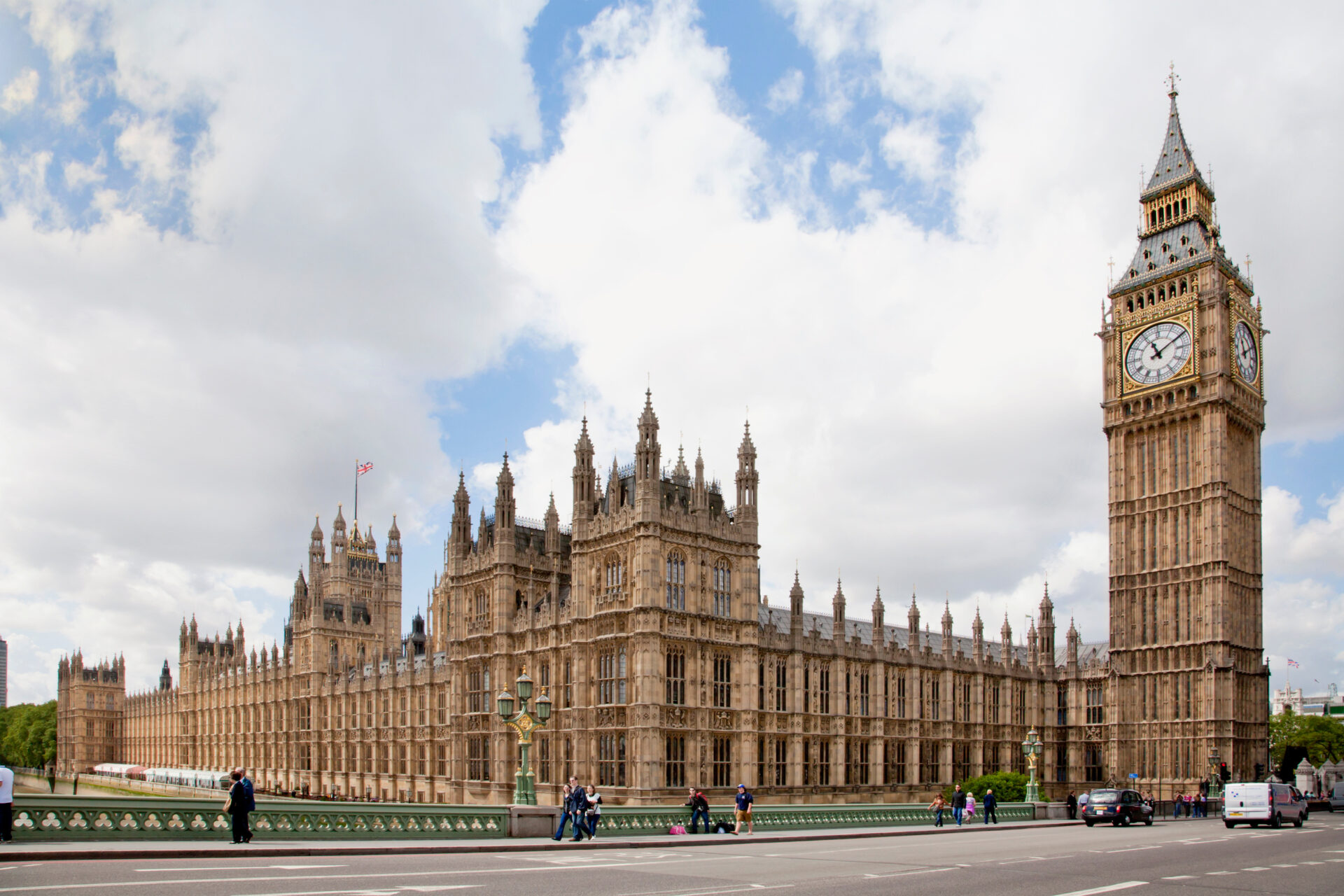
The Government’s Employment Rights Bill has faced another setback after Conservative peers backed amendments in the House of Lords to review the cap on unfair dismissal awards.
The move puts a key manifesto pledge at risk before Christmas.
The bill aims to reform UK employment law, including changes to unfair dismissal, guaranteed hours, and worker rights.
The Lords’ decision means ministers must now review compensation caps for unfair dismissal, creating uncertainty over timing and the impact on businesses.
Nick Henderson-Mayo, head of compliance at VinciWorks, said: “The Employment Rights Bill has entered yet another phase of uncertainty following an unexpected defeat in the House of Lords last night.
“The government lost the vote by 24, despite having already offered a major concession intended to break the deadlock with peers.
“This was the point at which both businesses and unions expected the process to finally stabilise. Instead, the legislation has returned to ping-pong, with no clear path to agreement.”
Henderson-Mayo added: “The compromise announced earlier removed Labour’s flagship pledge for day-one unfair dismissal protection and replaced it with a six-month qualifying period requested by the Lords.
“The concession was intended to create a quick path to Christmas passage.
“Alongside the concession came a late amendment to remove the cap on unfair dismissal compensation.”
He said: “Peers voted to force a review of the current compensation cap rather than allow it to be abolished now.
“For employers, the political theatrics matter less than the uncertainty.
“The bill is stalled again, and timelines remain unclear.”
He added: “This frustration aligns closely with what we found in our VinciWorks survey of 190 senior HR and compliance leaders.
“Only 3% of respondents believed the Lords would back down.
“A fifth believed the bill would fail entirely, and 12% expected the Parliament Act to be used, which would extend the timeline into next year.”
He said: “Nearly half of the respondents expected some form of compromise, even though the government had opposed that strategy for months.
“Businesses have been preparing in a climate of ambiguity for some time, and the latest defeat reinforces that sense of limbo.
“Our research also shows where employers feel the greatest operational pressure.”
He added: “Two-thirds are already considering new training on the wide array of employment changes planned.
“Close to 60% anticipate doing more to prevent sexual harassment under the strengthened obligations in the bill.
“Many organisations paused programme design while awaiting clarity on unfair dismissal provisions, though the ongoing uncertainty increases the risk of last-minute implementation work and unplanned costs.”
Henderson-Mayo said the row over dismissal rights and compensation limits is now the main focus for compliance, overtaking the rest of the bill.
He noted that the Employment Rights Bill represents the biggest change in decades, and that employers need enough time to update their policies, contracts, training, and HR systems.
He said the outcome of the vote shows political negotiations are ongoing and warned that businesses cannot rely on the current version of the bill being final.
He stated that the Government has already started consultations on pregnancy protections, parental rights and menopause action plans.
Henderson-Mayo noted that many organisations want to press ahead with planning, but a fifth of leaders in VinciWorks’ survey feared the bill could fail altogether.
He said this means employers now have to weigh the cost of preparations against the risk of doing nothing.
He said: “With Christmas recess approaching rapidly, it remains unclear whether ministers can secure agreement.
“HR and compliance teams should continue scenario planning focused on three paths. One, rapid agreement that preserves the six-month compromise.
“Two, a further delay followed by the use of the Parliament Act.
“Three, a breakdown in negotiations. The coming weeks will determine which path becomes most likely.”
He added: “If the goal is long-term stability in the employment framework, then compromise is still the most sustainable route.
“Employers want a settlement that is clear, workable and deliverable.
“The uncertainty created this week shows how far away that settlement remains.”