
 Jessica O'Connor
Britain’s winter working habits are increasingly shifting from desks to duvets, according to new research from MattressNextDay.
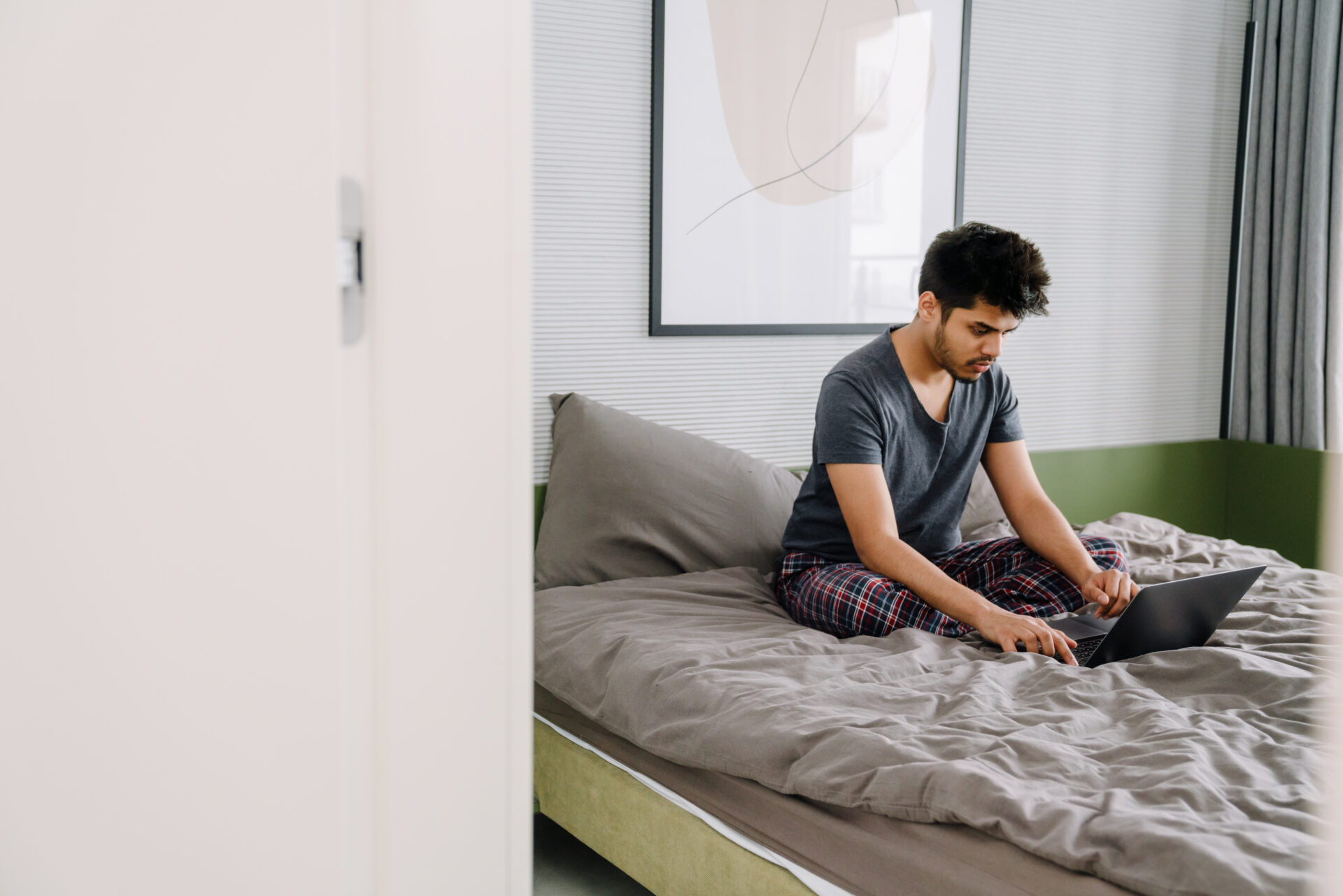
The survey of 1,000 adults found that almost half (48%) of people who regularly work from home do so from their bed, while a further 22% said they have worked from bed in the past.
Darker mornings and colder temperatures were driving the trend, with 77% of respondents saying they are more likely to work from bed in winter.
To understand the health impact of this behaviour, MattressNextDay worked with Rebecca Bossick, a chartered physiotherapist and founder of One Body LDN, who warned that beds are not designed for sustained sitting.
She said: “Beds are designed for rest, not for sustained sitting.
When you sit on a mattress, the pelvis sinks and the lower back rounds.
“People then tilt their head and neck forward to see the screen, which increases the load on the joints at the top of the spine.”
She added that prolonged sitting in this position can tighten hip flexors and abdominal muscles, increasing the risk of recurring lower back pain, reduced mobility through the spine, neck stiffness and tension headaches.
Winter conditions can intensify these effects.
Bossick noted that duvets can alter posture by encouraging a rounded, forward-leaning position, while colder temperatures cause muscles to tighten and lose suppleness, making discomfort more likely.
The research also found that working from bed blurs the boundaries between work and rest.
While working in bed, 35% of respondents scroll social media, 34% watch TV and 21% admit to online shopping during working hours.
One in five (20%) said they have even had sex with a partner while technically working from home.
More than half of those surveyed (52%) said they have fallen asleep or taken a nap while working from home, with a third saying this happens regularly, further underlining the lack of separation between work and rest.
Bossick advised limiting working from bed to short periods.
She said: “Twenty to thirty minutes is the most the body can tolerate before posture starts to collapse.
“Regular breaks to stand, stretch, or reset are essential.
She added that good spinal support during sleep is important for recovery, particularly for people who work from home regularly in winter.
“For people whose daytime habits put extra strain on their backs, the right level of support at night can make a noticeable difference,” Bossick added.
“An orthopaedic mattress can help the spine reset, improve comfort during sleep, and reduce the risk of everyday aches turning into longer-term problems.
“The key point is that comfort and support are not the same. A bed feels inviting on dark January mornings, but it needs proper structure to truly support spinal health.”