 Ryan Fowler
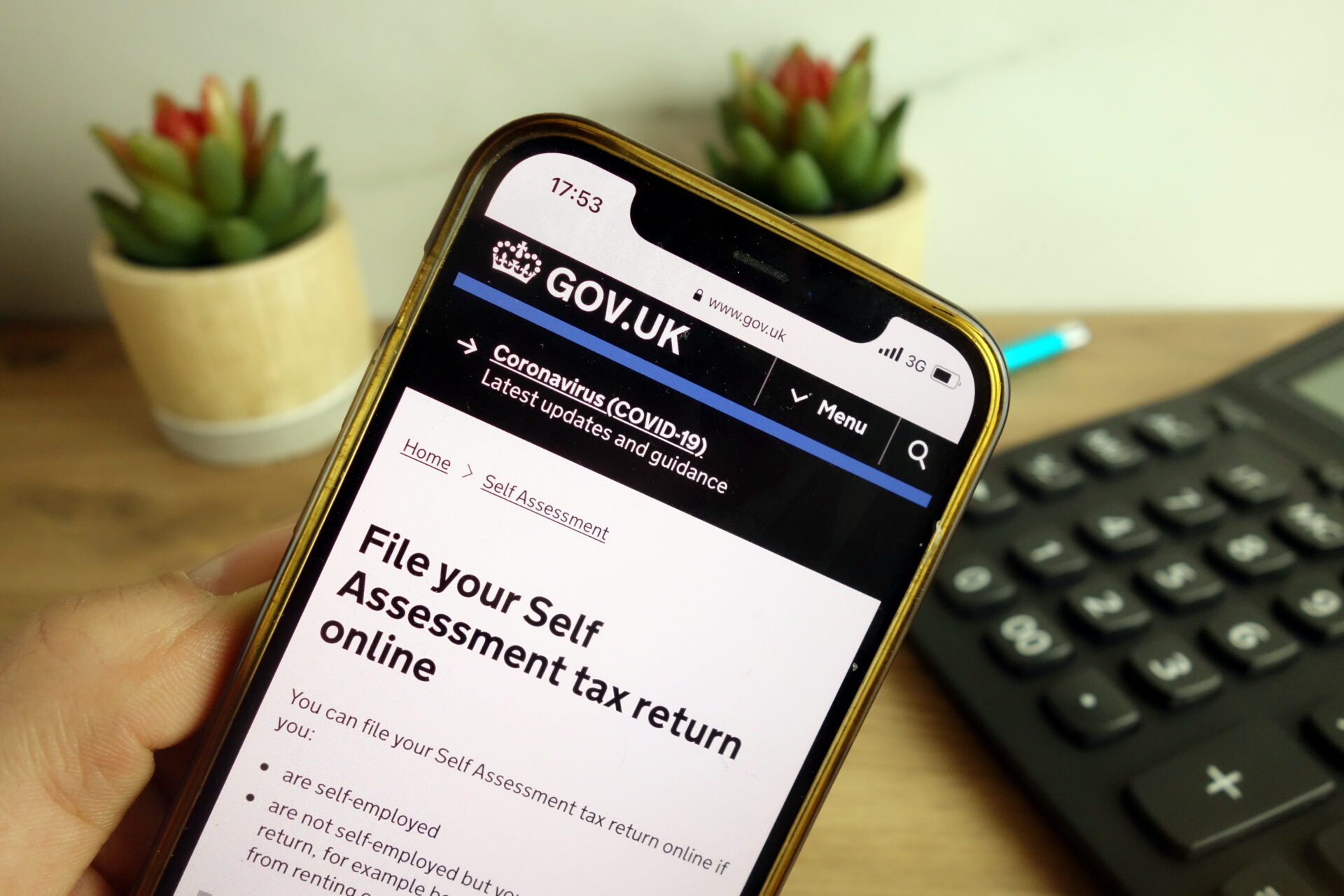
More than half of people who complete a self-assessment tax return describe the process as a nuisance, according to new research from Royal London, released 30 years after the system was first introduced.
The study found that 54% of those who have filled in a tax return view it negatively, with employees more likely to feel this way than the self-employed, at 57% compared with 50%. Just 2% described self-assessment as “therapeutic”, while 38% said they did not mind completing it.
Beyond frustration with the process itself, the research highlights widespread issues around unexpected tax bills. Around a quarter of respondents, 24%, said the amount of tax they owed had been more than expected, rising to 30% among employees.
Nearly one in ten, 9%, said this happened every time they filed.
The problem appears more pronounced among those who do not complete their own returns, with 39% of people who rely on a partner to fill in their tax return reporting higher-than-expected bills, compared with 22% of those who do it themselves.
Royal London said fiscal drag, where frozen tax thresholds combine with rising incomes, is contributing to growing tax liabilities.
The research suggests many taxpayers are being caught out by these effects, particularly those with additional sources of income outside PAYE.
The findings come as HMRC data shows that more than 4,600 people completed their self-assessment returns on Christmas Day 2025, with over 37,000 filing online during the festive period between Christmas Eve and Boxing Day.
Around 12 million returns are expected by the 31st January deadline. Despite this, the survey revealed gaps in understanding, with 13% of self-employed respondents saying they would not be filing a return this year, despite the requirement to do so unless annual income is below £1,000.
Budgeting practices also varied. Two thirds of those who complete self-assessment said they budget for their tax bill, but fewer than half, 48%, do so every year. While 64% of self-employed respondents said they had set aside savings to pay their bill, this fell to 59% among employees.
Nearly a third of taxpayers said they do not budget at all, and 5% admitted they typically rely on an overdraft to cover some or all of their tax bill.
Sarah Pennells, consumer finance specialist at Royal London, said: “It’s concerning that there’s so much confusion about the self-assessment system 30 years after it was introduced, particularly about who needs to fill in a self-assessment tax return.
If you’ve had income that you’ve not been taxed on, the chances are you’ll need to fill in a self-assessment tax return, unless it’s something like dividend income from investments held within an ISA, which is free of income tax.”
She added: “It’s a good idea to build some financial resilience by setting aside some money in a savings account.
“Look at the total tax you owed this year, from your July and January instalments, and put away a twelfth of that every month in a savings account to prepare for your next filing. If you know you’re earning more this year, you may need to increase your monthly savings.”
The research also comes ahead of changes to the tax system for self-employed people and landlords, with Making Tax Digital being phased in from April.
The reforms will require quarterly digital updates to HMRC for those earning more than £50,000 from self-employment or property, with the threshold reducing to £20,000 by April 2028.
Pennells said the changes could help reduce unexpected bills but warned that payment obligations remain. “With Making Tax Digital being phased in from April, there shouldn’t be the same shock tax bill in January as, once you’ve submitted your quarterly update to HMRC, you’ll get an estimate of how much tax you owe. However, the tax you owe will still need to be paid in January, and you could face penalties and interest if you can’t or don’t pay.”