
Equal pay starts with getting women back into work
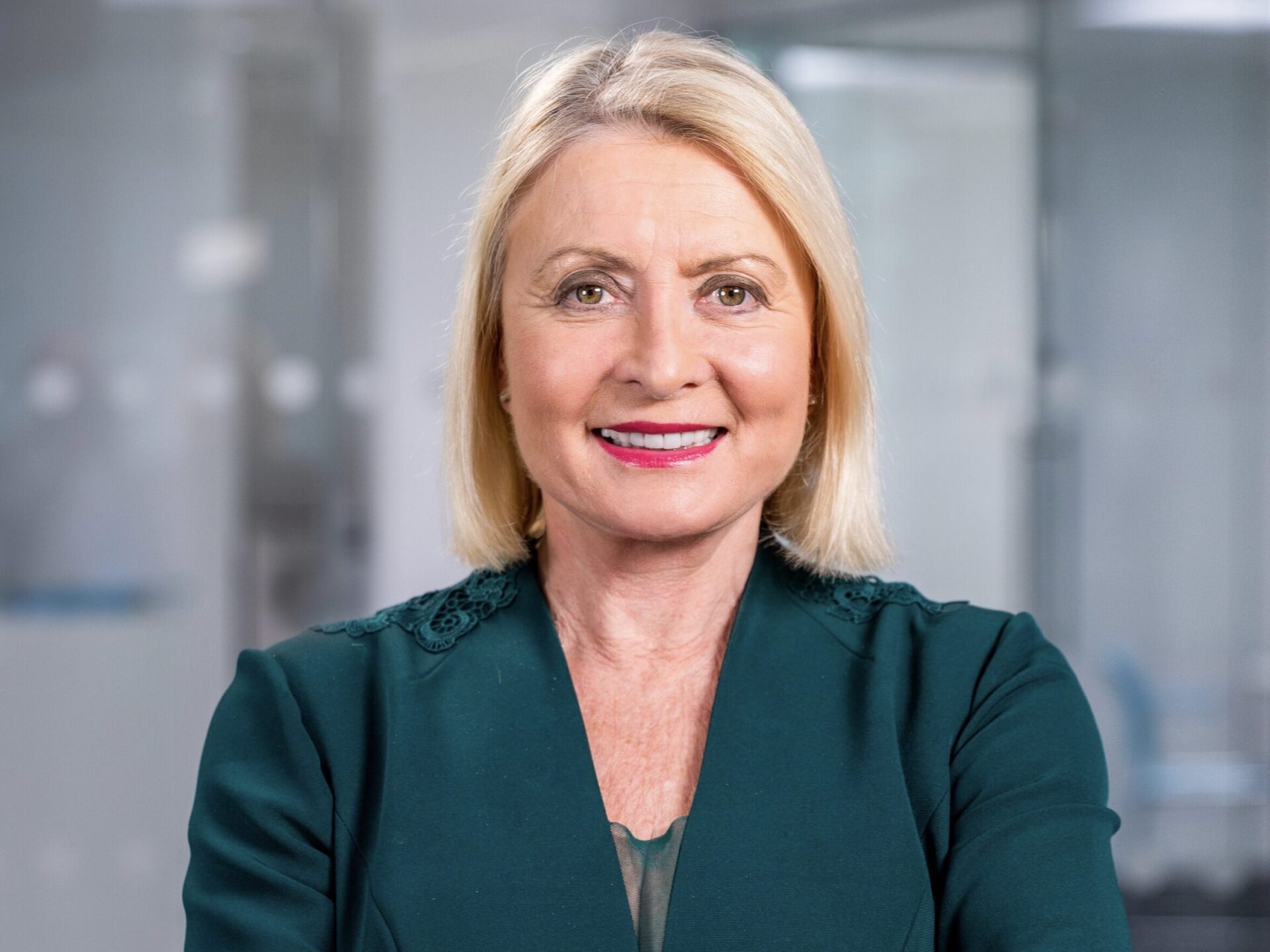
Tracey Fletcher, chair of Smart Works Yorkshire, discusses why helping women return to work is key to tackling pay inequality and improving career progression.

When we talk about tackling inequality in the workplace, the conversation too often centres only on women in employment. Discussions around pay, progression and leadership representation are all important, but the barriers that women face in getting into the workplace in the first place are also a crucial and overlooked part of the picture.
In fact, employment inequality can begin long before a salary is even negotiated. For many women, barriers including caring responsibilities, career breaks and periods of unemployment can make returning to work more challenging. These factors can affect access to job opportunities, career progression and, ultimately, earning potential.
The impact of confidence on the job searching process is not one that should be underestimated. The latest Smart Works Yorkshire Index found that 66% of clients feel less confident as a result of the job search process. Job hunting has become a lot harder for most, but it can be particularly difficult for women who have spent time away from the workplace. Women are nearly twice as likely to take a career break, with the main reasons for this being childcare and caring responsibilities. As a result, many women find themselves questioning their professional value despite having years of workplace skills and experience behind them.
This lack of confidence can also influence the opportunities women pursue. The same research from Smart Works found that 17% of women who use the service apply for roles where they feel overqualified. Rather than aiming for positions that reflect their abilities, women can find themselves lowering their expectations in the hope of securing a quicker route back into employment.
Taking a role below experience level can have long-lasting career impacts, from slowing career progression, reducing future earning potential and making it harder to regain professional momentum. Over time, these individual decisions contribute to wider inequalities across the job market and ultimately result in a lack of women in senior roles.
The challenge becomes even greater for women the longer they are out of work. Nationally, Smart Works found 43% of its community members have been unemployed for 12 months or more. Extended periods of unemployment can create a cycle where confidence decreases, applications become more cautious and opportunities feel increasingly out of reach.
This is why it is essential that conversations around workplace inequality start earlier. Pay gaps do not emerge solely because of what happens within organisations, they are also shaped by who feels able to apply for jobs, who has access to opportunities and who can maintain career progression throughout different stages of life. If talented women are struggling to re-enter the workforce, accepting positions below their skill level or delaying their return because they lack support, the impact will inevitably be felt throughout their careers.
Employers have a vital role to play in changing this. Flexible working policies, return-to-work programmes and recruitment practices that look beyond career gaps can all help create a more inclusive hiring process. Just as importantly, organisations need to recognise that a non-linear career path should not be viewed as a weakness.
Related
AI CV screening could undo decades of female progress in the workplace

Bringing men into the menopause conversation

Equity is a powerful tool in the race for AI talent

What a fake job taught me about hiring

Professionalism is the real generational divide

ISO 45010 is here – now comes the part that actually matters

Male fertility must not be neglected in business employee benefit schemes

Belonging is the retention strategy leaders are still overlooking

A skills-first approach can widen the talent pool

Duty of care must evolve to protect LGBTQ+ employees

Publishing salary ranges alone will not fix pay inequality, beqom says
