
Employers must update harassment training for hybrid working, says Gi Group
Gi Group said prevention measures need to cover video calls, messaging platforms, email and social media, rather than focus only on behaviour in person.


Gi Group has urged employers to update sexual harassment policies and training to cover remote and hybrid working.
The HR and recruitment organisation said prevention measures need to cover video calls, messaging platforms, email and social media, rather than focus only on behaviour in person.
It cited Unite the Union figures from 2025 showing that 26% of respondents reported increased gender-based harassment while working remotely.
The figures also showed that 60% of women had experienced sexual harassment during their working lives.
Gi Group said changes under the Employment Rights Act 2025 on 30th October 2026 would require employers to take all reasonable steps to prevent sexual harassment and introduce liability for harassment by third parties, including customers and clients.
Cindy Gunn (pictured), people director at Gi Group, said: “Employers need to take an all-encompassing view as to when and where sexual harassment might take place.
“Many employers wrongly make provisions for it happening in person only and in today’s digital society, that would be a costly and devastating mistake to make.
“Whether it occurs in person or online, workplace sexual harassment covers any unwanted advance, comment or conduct of a sexual nature.”
Related

Employers must update contracts to reduce risks of covert filming at work, says expert

Biscuit Recruitment welcomes Labour’s flexible working plans, warns against automatic entitlement

Employers should set clear home-working expectations to boost productivity, says Diamond Interiors
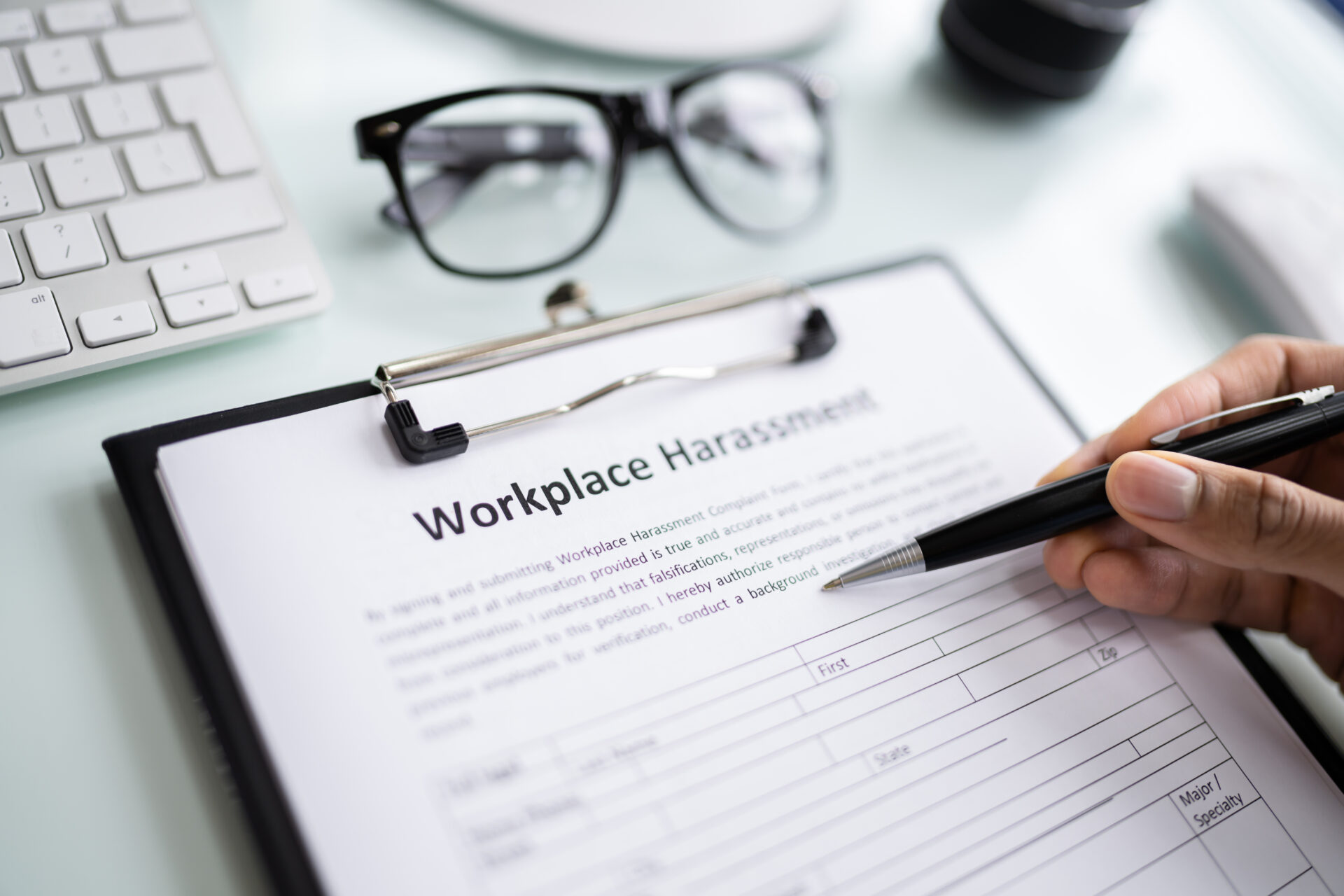
Employers must address workplace harassment concerns, warns Howes Percival

Workers rights changes could make it harder to force employees back into office, says Magara Law

75% of neurodivergent workers rely on hybrid working, study finds

Workers see flexible working as more valuable than hybrid working – Avilio

Public sector unprepared for Employment Rights Bill changes, says expert

Young workers twice as likely as senior staff to prefer full-time office working – CV-Library

86% of jobseekers feel they are working more than ever – Gi Group

42% of female professionals would seek a new job if flexibility was reduced – Robert Walters