
Autumn Budget 2026: Minimum and national living wage to rise by 3.9%
The increase would affect 2.3 million of the lowest-paid workers.


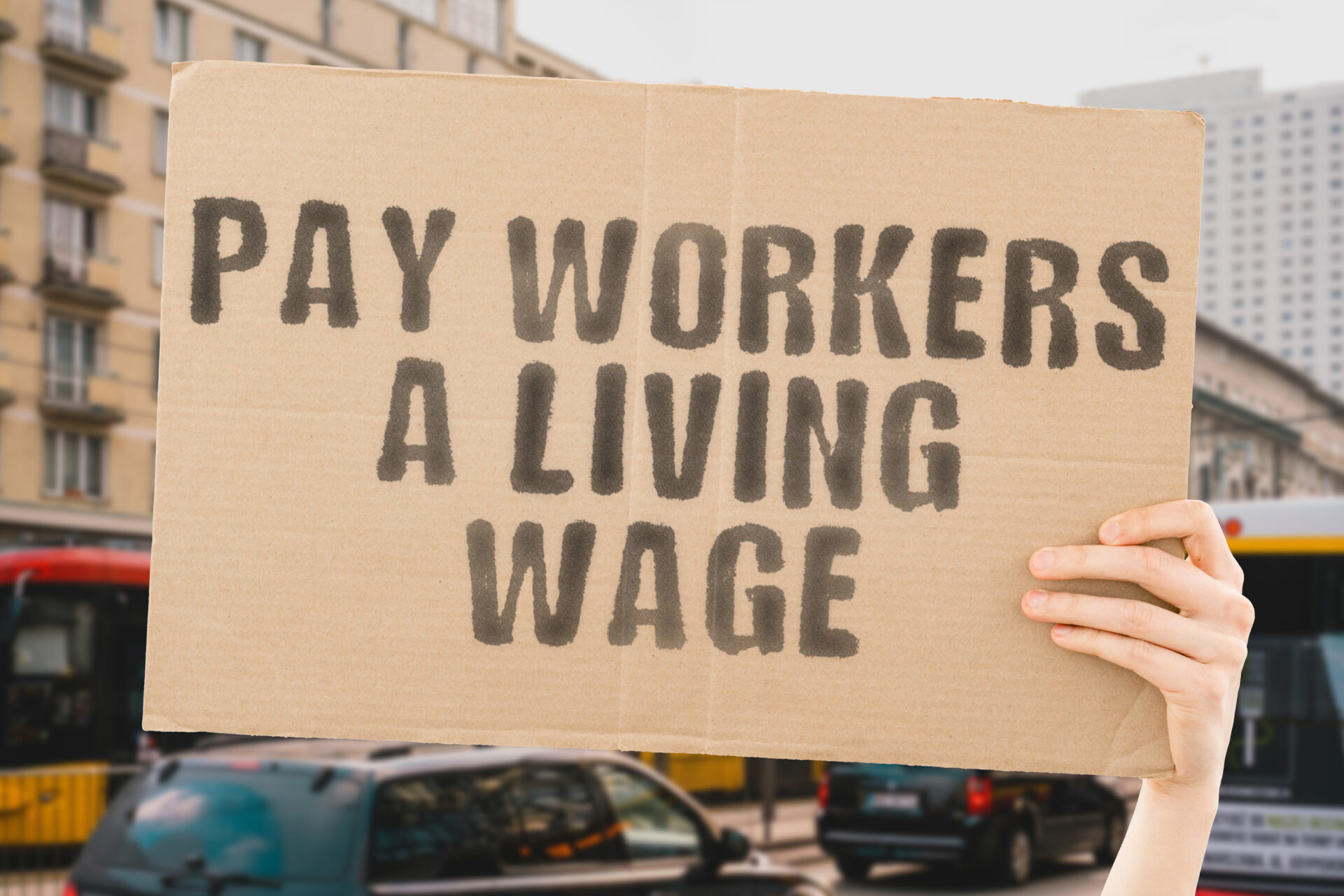
Chancellor John Healey set out a 3.9% increase in the national minimum wage and national living wage in the Autumn Budget 2026.
The increase should affect 2.3 million of the lowest-paid workers.
Reaction:
Suzanna Kemal, head of HR at Reward Gateway | Edenred:
“Pay rises are welcome news for workers facing continued cost-of-living pressures, and fair pay should remain a priority for employers and Government alike. But the challenge is ensuring higher wages go hand in hand with a healthy jobs market.
“With youth unemployment and the NEETs crisis demanding urgent attention, we cannot afford to overlook the barriers businesses face when hiring entry-level talent.
“Pay is only one part of the equation – employers also need the confidence to recruit, invest in skills and create opportunities for young people to get their foot on the career ladder.
““The answer is not to choose between better pay and more jobs. It is to create the conditions for businesses to grow, employees to feel financially secure and young people to build sustainable careers.
Related

Autumn Budget 2026: Pay, pensions and parental leave – what the statement means for employment

Potential minimum wage rise could put pressure on SME hiring, expert warns

Autumn Budget 2026: Self-employed fathers to receive paid parental leave

North Acton Square becomes UK’s first Living Wage Zone
Government names 658 employers for minimum wage failures

City Bridge Foundation urges London employers to pay living wage

Autumn Budget 2026: BiK to rise across all company car bands in 2030–31

Living Wage momentum delivers £4.1bn in extra pay for workers over 25-year history

Most Brits back equal minimum wage for 18 to 20-year-olds – YouGov
Government moves to end discriminatory age bands and unfair pay

Autumn Budget 2026: £100m allocated to local apprenticeship service
